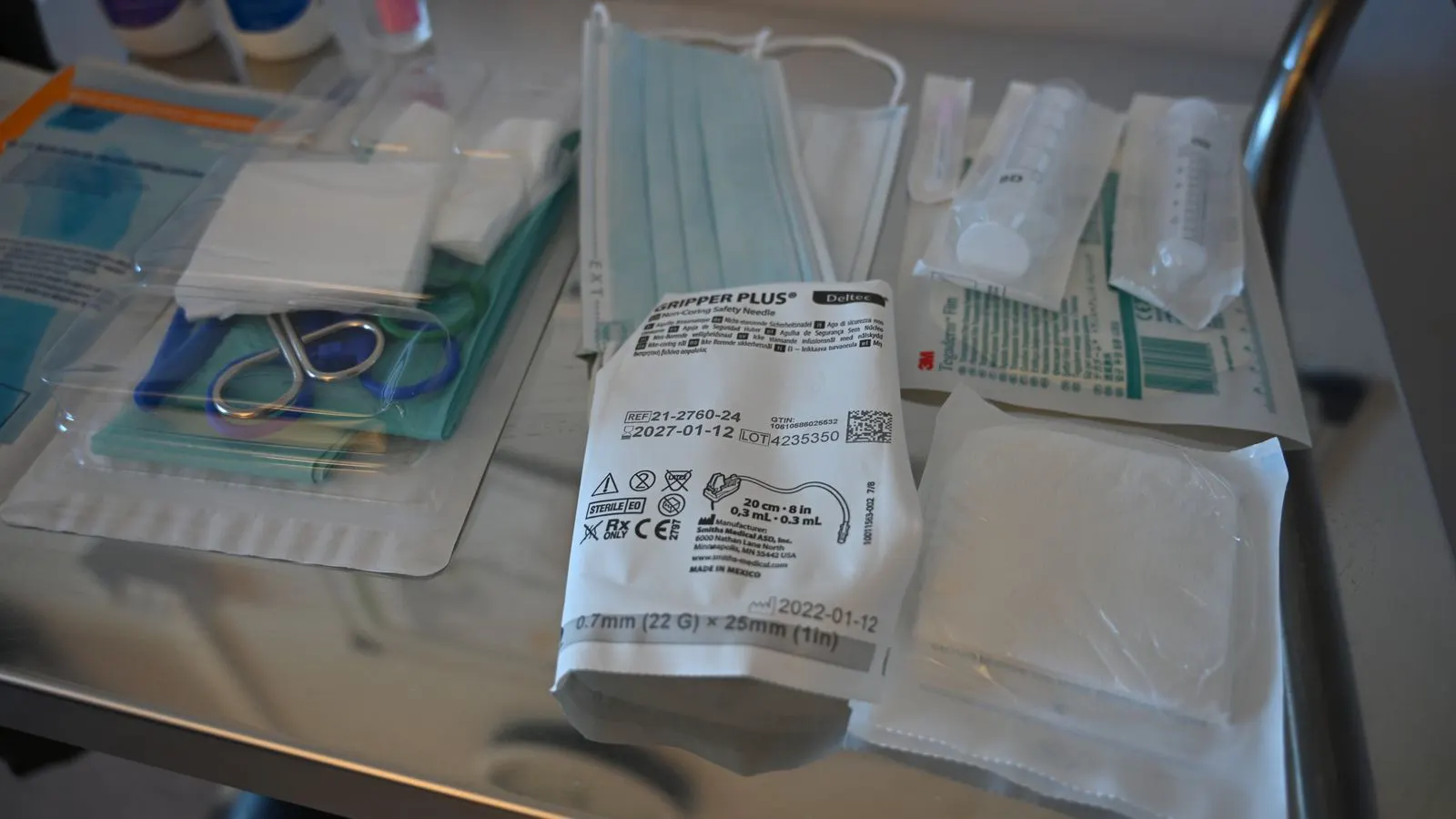
This checklist helps facility managers verify stock levels for basic wound care supplies. It covers gauze pads, adhesive bandages, and related items. Use it to identify gaps and check for common storage errors before a stockout occurs.
- Audit wound care supplies by category to ensure complete coverage for acute and minor wound management.
- Check expiration dates and packaging integrity for all gauze pads and adhesive bandages in stock.
- Maintain separate stock for sterile, clean, and non-sterile items to prevent cross-contamination.
- Review usage patterns quarterly to adjust ordering quantities and prevent overstocking or shortages.
- Train staff on proper storage conditions to preserve product efficacy and prevent degradation.
Why audit wound care supplies before a gap appears
Facilities often discover missing items during a busy shift rather than during planned inventory review. A structured audit prevents this. It identifies gaps in gauze pads, adhesive bandages, and other basic consumables before they affect patient care.
A gap in wound care supplies is rarely just a missing box of gauze. It is a chain reaction. When the 4x4 sterile gauze runs low, staff may reach for a different size, a non-sterile alternative, or a dressing that is not ideal for the wound type. This slows down the procedure. It creates confusion among nurses who must improvise. It increases the time a wound remains exposed. It also puts pressure on the clinical team to make rapid decisions without adequate materials.
This checklist targets the core items used in daily clinical practice. It is designed for procurement managers and clinical leads who manage par levels and reorder points. The audit is not a one-time event. It is a recurring process that aligns physical stock with actual consumption. By verifying each item, the facility ensures that the right product is available, within its expiration date, and in a condition that supports sterile technique and patient comfort.
Basic absorbent dressings: what to verify
Absorbent dressings handle exudate from wounds. They are the first line of defense for many minor injuries. The goal here is to confirm that the material absorbs fluid effectively and maintains a barrier without shedding fibers or breaking down prematurely.
-
Sterile gauze pads (4x4 inches)
These are the standard size for most minor wounds. Check that the packaging is sealed and the internal barrier is intact.
Red flag: If the wrapper feels damp or the tape seal is loose, the sterility barrier may be compromised. Remove from active stock.
Practical detail: Inspect the top and bottom flaps of the wrapper. A high-quality sterile gauze package has a distinct peel-off mechanism. If the seal does not break cleanly, or if there is visible residue on the outside, the package may have been opened previously. This is a common issue in high-turnover facilities where staff may accidentally tear the packaging during storage. -
Sterile gauze rolls (4-inch and 6-inch widths)
Used for wrapping larger areas or supporting bandage changes. Verify the roll is wound tightly and the outer wrap is undamaged.
Red flag: A loose roll suggests the inner layers may have shifted, increasing the risk of fiber shedding during application.
Practical detail: Roll the item gently between your hands to check for firmness. A well-wound roll should feel uniform. If you feel a soft spot or a bulge, the fibers inside have likely migrated. This creates a weak point in the structure. When the roll is unspooled, these weak points can unravel, creating loose threads that may stick to the wound or irritate the skin. -
Non-woven absorbent pads
These are common for pressure injury prevention and light exudate management. Check the backing for adhesion integrity.
Red flag: If the adhesive side feels sticky before opening, the adhesive may have degraded. This can cause skin irritation during removal.
Practical detail: Look at the non-woven top layer. It should be white or off-white and uniform. If it appears yellowed or has dark spots, it may have absorbed moisture from the environment or been exposed to heat. The adhesive layer on the back should be smooth. If it is tacky, it may be difficult to remove from the skin, causing pain and potentially tearing the epidermis during debridement. -
Hemostatic gauze
Used for bleeding wounds where standard gauze is insufficient. These often contain a specific agent to promote clotting.
Red flag: Verify the expiration date carefully. Hemostatic agents can lose efficacy over time if not stored correctly.
Practical detail: Hemostatic gauze often comes in smaller packages or specific wrappers that indicate the active ingredient. Check for any discoloration. The gauze itself should be white. If it has taken on a tint, it may be a sign of chemical degradation. Also, check the storage location. These items should not be stored near heat sources or in areas with fluctuating temperatures, as this can alter the chemical stability of the clotting agent.
Adhesive dressings and bandages: what to verify
Adhesive dressings provide protection and a barrier against moisture and debris. They are often the final step in dressing a minor cut or abrasion. The quality of the adhesive is just as important as the absorbent layer.
-
Adhesive bandages (assorted sizes)
Stock a mix of small, medium, and large sizes. Check that the adhesive backing is not tacky or brittle.
Red flag: If the adhesive strip sticks to the wrapper even when sealed, the adhesive may have degraded. This can cause pain during removal and reduce patient comfort.
Practical detail: Open a few packages from the middle of the stock, not just the top. Adhesive bandages have a limited shelf life for the glue, even if the fabric remains intact. If the adhesive is brittle, it may snap when applied. If it is too sticky, it may bond to the wrapper. This is a common issue in facilities that store bandages in humid environments. -
Adhesive bandage rolls
Useful for wrapping fingers, toes, or small areas where pre-cut bandages are awkward. Ensure the roll is wound evenly.
Red flag: A wrinkled or loose roll indicates the adhesive may not bond properly, leading to premature detachment from the skin.
Practical detail: Check the outer layer of the roll. If it is wrinkled, the adhesive may have lost its elasticity. This causes the bandage to lose tension as it is applied. A loose wrap does not protect the wound effectively. It can slip off during movement, exposing the wound to air and bacteria. -
Hydrocolloid patches
These manage moist wound healing and protect intact skin. Check that the patch is flat and the release liner is secure.
Red flag: If the patch is warped or the liner is difficult to remove, the adhesive may be compromised. This affects the seal between the patch and the wound.
Practical detail: Hydrocolloid patches are sensitive to temperature. If they are stored in a warm room, the adhesive can soften. This makes the patch sticky to the liner. When the nurse tries to peel the liner off, the patch may tear. A torn patch is useless. It will not form the required seal with the wound bed. Inspect the patch for any bubbles or wrinkles in the hydrocolloid layer. These indicate manufacturing defects or storage issues. -
Foam dressings
Used for medium to heavy exudate wounds. Check that the foam is uniform and free of voids.
Red flag: A dense or uneven foam structure may not absorb fluid effectively. This can lead to maceration of the surrounding skin.
Practical detail: Foam dressings rely on the porosity of the material to absorb fluid. If the foam is compacted, it will not expand to hold liquid. This causes the fluid to leak out of the dressing. The surrounding skin, exposed to constant moisture, becomes macerated. This softens the tissue and makes it more susceptible to breakdown. Check the foam for any dark spots or odors, which can indicate bacterial growth or contamination.
Storage and handling checks
Proper storage preserves product integrity. Even high-quality items can fail if stored incorrectly. The storage environment is a silent killer of consumables. It does not announce itself. It just reduces the effectiveness of the product until it is too late.
| Item | Storage Requirement | Common Failure |
|---|---|---|
| Gauze pads | Dry, cool, protected from light | Moisture absorption, mold growth |
| Adhesive bandages | Room temperature, sealed | Adhesive degradation, tackiness |
| Hydrocolloid patches | Cool, dry, sealed | Warping, adhesive failure |
| Foam dressings | Dry, cool, sealed | Foam compaction, voids |
| Hemostatic gauze | Cool, dry, sealed | Agent degradation, loss of efficacy |
Red flag for all items: If any packaging shows signs of water damage, punctures, or excessive heat exposure, quarantine the item. Do not return to active stock until the cause of damage is identified.
Practical detail: Check the storage shelves for signs of leaks. A small leak from a pipe or a humidifier can damage a row of dressings without anyone noticing for weeks. The packaging may look fine on the outside, but the contents may be damp. Mold is a significant risk in damp environments. It can grow inside the packaging without visible signs on the outside. This is particularly dangerous for sterile items. A moldy gauze pad will introduce fungal spores into the wound.
Par levels and usage patterns
Stock levels must match actual usage. A facility that uses 500 gauze pads a week will need a different par level than one that uses 50. Guessing at stock levels leads to either waste or shortage. Both are costly.
-
Track usage for 30 days
Record the number of gauze pads, adhesive bandages, and other items consumed each week. This baseline prevents guesswork.
Practical detail: Do not rely on estimates. Count the items used in each department. A surgical ward will use different items than an outpatient clinic. If the facility has multiple departments, track usage separately. This prevents one department from depleting the stock for another. Use a simple log or the inventory software. Record the quantity used, the date, and the person responsible. This creates a paper trail that helps identify anomalies. -
Set par levels based on usage
A common approach is to set the minimum stock at 1.5 weeks of average usage. The maximum stock can be set at 4 weeks, depending on shelf space.
Practical detail: The minimum stock should account for delivery delays. If the supplier takes three days to deliver, the minimum stock must cover that time plus a buffer. The maximum stock should not exceed the shelf life of the product. If the gauze pads have a two-year expiration date, you do not need four years of stock. Overstocking ties up capital and increases the risk of expiration. -
Adjust for seasonal variation
Usage may change with the seasons. For example, outdoor injuries may increase in warmer months. Adjust par levels accordingly.
Practical detail: Look at the historical data. If the facility is in a region with high outdoor activity in summer, usage of adhesive bandages and gauze may spike. If there is a local event, such as a marathon or a festival, usage may increase temporarily. Adjust the par levels for these periods. Do not wait for the stock to run out. Anticipate the demand. -
Review reorder points
Ensure the reorder point triggers a purchase order before stock hits zero. A reorder point of 1 week of usage provides a buffer for delivery delays.
Practical detail: The reorder point is the trigger. When the stock level reaches this number, the system or the staff should place a purchase order. This prevents the stock from dropping to zero. It also allows time for the order to be processed, picked, and delivered. If the reorder point is too low, the stock will run out before the new order arrives. If it is too high, the stock will be excessive. Find the balance.
Common mistakes in wound care supply management
-
Ignoring expiration dates
Items past their expiration date should be discarded. Keep a log of expiration dates and review it monthly.
Practical detail: Expiration dates are not just a regulatory requirement. They are a safety measure. Products past their date may not perform as intended. Adhesive may not stick. Absorbents may not absorb. Sterility may be compromised. Check the dates during the audit. If an item is expired, remove it immediately. Do not keep it for “emergency” use. The risk of failure is too high. -
Mixing sterile and non-sterile items
Sterile items must be stored separately from non-sterile items. Cross-contamination can compromise sterility.
Practical detail: Use separate shelves or cabinets for sterile and non-sterile items. If they are stored together, there is a risk of contamination. A non-sterile item may have bacteria or dust on it. If it is placed near a sterile item, it can transfer contaminants. This is particularly important for items used in surgical or invasive procedures. Even for minor wounds, sterility is a goal. -
Overstocking slow-moving items
Excess stock ties up capital and takes up shelf space. It also increases the risk of items expiring before use.
Practical detail: Identify slow-moving items. These are items that are used rarely. For example, large hydrocolloid patches may be used only a few times a month. Do not stock too many of these. Keep only enough for a short period. This frees up space for fast-moving items. It also reduces the cost of waste. -
Understocking fast-moving items
A shortage of gauze pads can delay wound care. Keep a buffer stock of high-velocity items.
Practical detail: Gauze pads and adhesive bandages are high-velocity items. They are used frequently. Do not let these run low. A shortage of these items can cause a backup in the treatment room. Nurses may have to wait for a delivery or use alternative items. This delays care. Keep a buffer stock. Do not wait for the stock to hit zero. -
Failing to train staff on proper handling
Staff must know how to open packages without breaking the sterile barrier. They must also know how to store items correctly after use.
Practical detail: Train staff on the correct way to open packages. Do not use scissors on sterile packaging unless necessary. Use the tear strip. Do not touch the inside of the package. Do not leave packages open for long periods. Store unused items in the correct location. Proper handling extends the life of the product and ensures safety.
When to escalate a supply issue
If a critical item is missing or a batch is compromised, escalate immediately. Do not wait for the next audit. The problem needs to be solved now.
-
Contact the supplier
Request a replacement batch or a credit. Document the issue with photos of the packaging and expiration dates.
Practical detail: Take clear photos of the damaged or expired item. Include the lot number and the expiration date. This provides evidence for the supplier. It also helps in identifying the source of the problem. If the issue is with a specific batch, the supplier can trace it back to the manufacturing process. -
Notify clinical staff
Inform nurses and physicians of the shortage. Provide alternative items if available.
Practical detail: Communication is key. If the gauze pads are gone, tell the nurses. Suggest an alternative. For example, use a different size or a different type of dressing. This prevents confusion and delays. It also allows the clinical team to adjust their workflow. -
Update the audit log
Record the issue, the action taken, and the resolution. This helps identify recurring problems.
Practical detail: The audit log is a record of the facility’s operations. It shows what happened, when, and how it was fixed. This record is valuable for future audits. It helps identify trends. If the same issue keeps happening, the root cause needs to be addressed. -
Review the root cause
Was the item expired? Was it damaged in transit? Was the par level too low? Fix the root cause to prevent recurrence.
Practical detail: Do not just fix the immediate problem. Ask why it happened. If the item was expired, check the date checking process. If it was damaged in transit, check the packaging and the delivery process. If the par level was too low, adjust it. Fixing the root cause prevents the problem from happening again.
Final verification steps
Before closing the audit, perform a final walk-through. This ensures that everything is in order. It also provides a final check on the stock levels.
-
Check the most-used items
Gauze pads and adhesive bandages are the highest-velocity items. Verify their stock levels first.
Practical detail: Start with the items that are used most often. These are the most likely to run out. Verify that the stock level is above the minimum par level. If it is not, place a purchase order immediately. -
Inspect the storage area
Look for signs of moisture, heat, or pests. Clean the shelves if necessary.
Practical detail: Check the shelves for dust, dirt, or spills. Wipe them down if necessary. Look for signs of pests, such as droppings or gnawing marks. A clean storage area is a safe storage area. It reduces the risk of contamination. -
Update the inventory system
Record the current stock levels in the software or spreadsheet. Note any discrepancies.
Practical detail: The inventory system should reflect the actual stock on the shelves. If there is a discrepancy, investigate it. Was an item used and not recorded? Was an item received and not entered? Fix the discrepancy. This ensures that the data is accurate. -
Schedule the next audit
A quarterly audit is a good baseline. Increase frequency if usage patterns are unstable or if new items are introduced.
Practical detail: Set the next audit date before leaving the storage area. This ensures that the audit does not fall through the cracks. If the facility has unstable usage patterns, such as seasonal spikes, schedule more frequent audits. If new items are introduced, audit them more frequently until they are well-established.
The goal is not to eliminate all risk. It is to identify and reduce the risk of running out of basic wound care supplies. A well-stocked facility can respond to minor injuries quickly and maintain a high standard of care. The audit is a tool for prevention. It allows the facility to stay ahead of problems. It ensures that the right products are available when needed. It supports the clinical team in providing safe and effective care.
Frequently asked questions
How often should I audit wound care supplies?
A quarterly audit is a standard practice. Increase the frequency if usage patterns are unstable or if new products are introduced.
What is the difference between sterile and non-sterile gauze pads?
Sterile gauze pads are used for wound care where infection control is critical. Non-sterile gauze pads are used for general purposes where sterility is not required.
How do I know if an adhesive bandage is still good?
Check the adhesive backing. If it is sticky, tacky, or brittle, the adhesive has degraded. Remove the item from active stock.
What is the best way to store hydrocolloid patches?
Store them in a cool, dry place, away from direct sunlight. Keep the packaging sealed until ready for use.
Can I use hydrocolloid patches on all types of wounds?
No. Hydrocolloid patches are best for moist wound healing and intact skin. They are not suitable for heavily exudative wounds or deep tissue injuries.