Powder residue from nitrile gloves causes product contamination during assembly. Identify symptoms like gray dust or tacky surfaces. Remove residue using lint-free wipes, alcohol-based cleaners, and proper glove handling. Prevent recurrence with powder-free alternatives and controlled storage.
- Gray dust on components usually comes from glove powder, not ambient dust
- Use lint-free wipes with isopropyl alcohol or approved disinfectant for removal
- Store gloves in sealed bags to prevent powder migration during handling
- Switch to powder-free nitrile or vinyl gloves for sensitive assembly tasks
- Document powder removal steps to keep contamination controls consistent
Why powder residue appears during assembly
Powder residue shows up on components, tools, and surfaces after handling with powdered nitrile gloves. The residue is a fine gray dust that clings to metal parts, plastic housings, and optical elements. In clean assembly environments, this dust creates visible contamination, interferes with optical inspection, and can migrate into sealed products.
Most contamination incidents trace back to one of three sources. The gloves themselves carry residual powder from manufacturing. The powder migrates from the glove surface onto the product during handling. Ambient dust settles on the gloves and gets transferred when the operator touches components. Each source produces a slightly different residue pattern, and identifying the source determines the correct fix.
Symptoms of glove powder contamination
Powder residue creates recognizable signs during inspection and assembly. Operators and quality technicians can spot these issues before they become product failures.
| Symptom | Likely cause | What to do |
1 | Gray or tan dust on metal surfaces or tooling | Powder from nitrile gloves transferred during handling | Remove residue with lint-free wipes and isopropyl alcohol. Inspect glove storage for moisture or bag damage.
2 | Tacky or sticky film on optical lenses or camera sensors | Residual powder mixed with skin oils or ambient humidity | Clean with approved lens cleaner or isopropyl alcohol. Replace gloves if tackiness persists.
3 | Fine dust visible only under magnification | Ambient dust settled on gloves before product contact | Wipe glove surfaces before handling sensitive parts. Use powder-free gloves for critical tasks.
4 | Discolored areas on rubber or plastic seals | Powder migrating from glove cuff or storage bag | Remove gloves, inspect storage bags, and wipe affected areas. Check for bag seal integrity.
5 | Uneven residue patterns on cylindrical or curved parts | Operator grip pressure transferring powder unevenly | Change grip technique. Use nitrile gloves with textured palm for better control.
6 | Recurring residue after cleaning | Powder source not eliminated or gloves contaminated during storage | Isolate gloves. Inspect storage area. Switch to powder-free alternative if issue persists.
Removing powder residue from components
The removal method depends on the material and sensitivity of the component. Always follow your site-specific cleaning procedure. The steps below are general troubleshooting approaches for common assembly surfaces.
- Isolate the affected component and place it on a clean, static-dissipative surface.
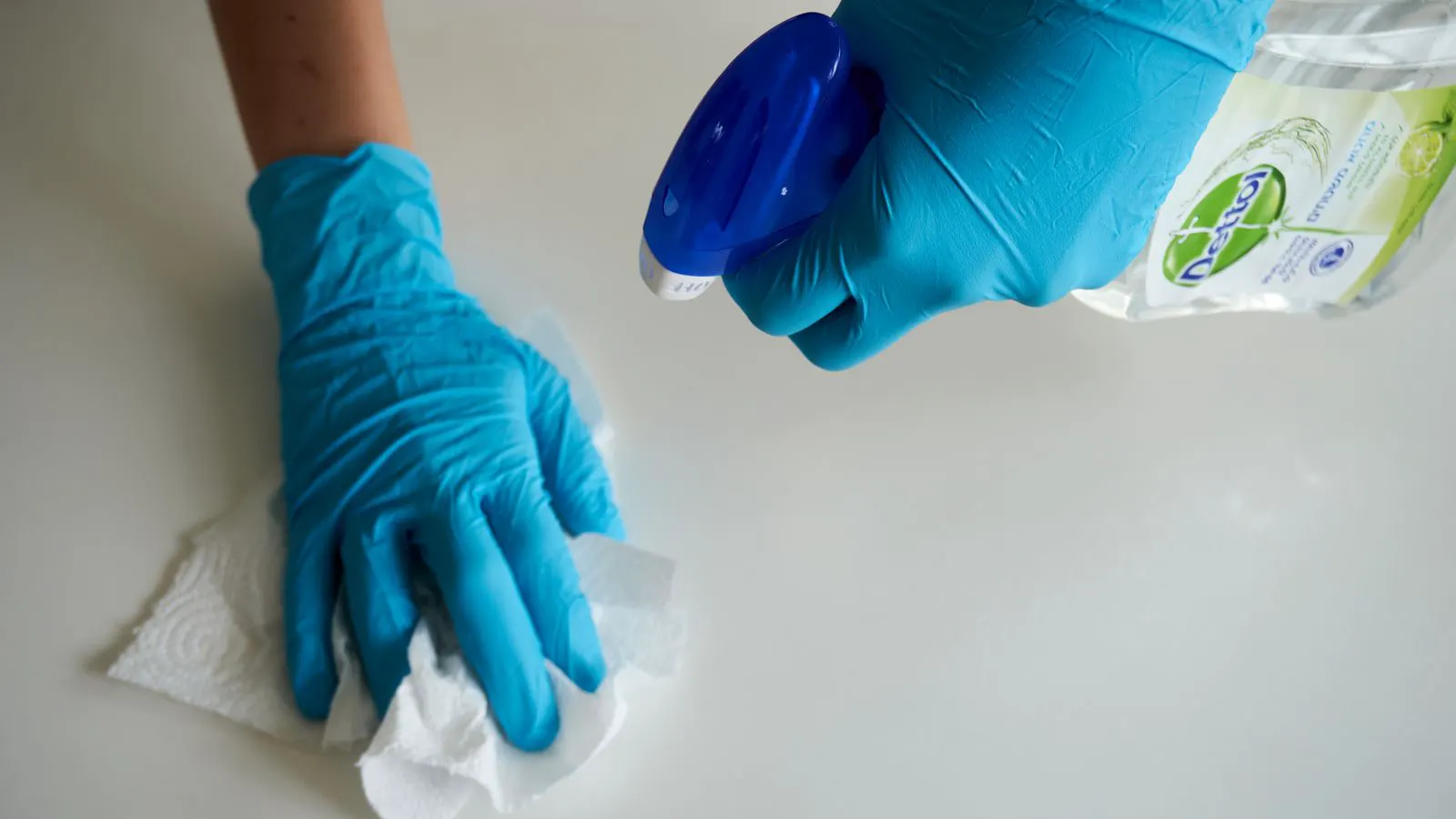
- Use a dry, lint-free wipe to lift loose powder. Move in one direction to avoid smearing.
- Dampen a second lint-free wipe with isopropyl alcohol or your approved cleaning solution. Do not use paper towels or cloth rags that shed fibers.
- Wipe the surface using a light circular motion for flat areas. Use straight strokes for cylindrical parts.
- Inspect the cleaned surface under magnification or raking light to confirm residue removal.
- If residue persists, allow the surface to dry completely before re-inspection. Moisture can leave streaks or attract more dust.
For optical components, use only approved lens cleaning solutions and dedicated swabs. Avoid applying pressure. Let the solution evaporate naturally rather than wiping aggressively. For painted or coated surfaces, test any cleaning solution on an inconspicuous area first. Some alcohols can damage certain coatings or adhesives.
Eliminating powder at the source
Cleaning removes residue but does not stop it from returning. Addressing the source prevents recurrence. The source can be the glove itself, the storage environment, or the handling process.
Start with glove selection. Powdered nitrile gloves use a talc-based or other powder coating that helps with donning and dexterity. That same coating migrates to product surfaces. For assembly tasks involving sensitive components, powder-free nitrile gloves eliminate most residue. Some powder-free gloves use a light coating for lubrication, but the migration rate is significantly lower than traditional powdered gloves.
Next, inspect glove storage. Store gloves in sealed bags in a cool, dry area. Humidity accelerates powder migration from glove surfaces. A damaged or torn bag allows ambient dust to settle on the gloves. Replace any bags that show signs of wear. Keep the storage area clean and free of loose debris.
Finally, review the handling process. Operators should wash or sanitize hands before donning gloves. Avoid touching non-product surfaces with gloved hands. If an operator must handle tools, packaging, or documentation, use separate gloves or change gloves between tasks. A dedicated glove change station reduces cross-contamination.
Preventing powder migration during handling
Even powder-free gloves can transfer some residue if handling practices are inconsistent. A few simple controls reduce migration during assembly.
Change gloves at defined points in the process. For example, remove gloves when handling packaging materials and don fresh gloves before touching components. This prevents accumulated dust from transferring to product.
Keep glove cuffs away from product surfaces. Cuffs collect dust and powder as operators move around the workspace. Fold cuffs neatly or use glove guards if your site provides them. This reduces the surface area exposed to contamination.
Use a dedicated work surface for sensitive assembly. A clean, non-static work mat or benchtop reduces ambient dust transfer. Avoid using the same surface for rough tasks like cutting or drilling. Designate separate zones for different contamination levels.
Monitor glove condition during the shift. Worn or torn gloves release more powder and allow ambient dust to enter. Replace gloves when you see small tears, thinning material, or visible powder clumping on the surface.
Documenting and tracking contamination control
Consistent powder removal requires documentation. Without records, it is difficult to identify patterns, verify effectiveness, and meet internal or customer requirements.
Create a simple log for powder-related incidents. Record the date, time, affected component, symptom observed, cleaning method used, and operator initials. Track the frequency of occurrences over time. If a specific operator, task, or storage area shows a pattern, investigate further.
Include glove storage checks in your routine cleaning schedule. Inspect glove bags weekly. Note any moisture, damage, or odor. Replace storage bags at defined intervals based on your site’s quality plan.
Review your cleaning procedures annually or after any contamination incident. Update the procedures based on what you learn. A procedure that works for metal parts may not be appropriate for optical lenses or coated surfaces. Keep the documentation practical and accessible to all operators.
When to switch glove types
Some assembly tasks are too sensitive for powdered nitrile gloves, even with careful handling. If you are working with optical components, semiconductor products, medical devices with sealed surfaces, or food-grade packaging, consider a different glove type.
Powder-free nitrile gloves are the most common alternative. They offer good cut resistance, chemical resistance, and dexterity without the powder coating. Some operators prefer powder-free vinyl gloves for less demanding tasks because they are lighter and less expensive. Nitrile remains the better choice for chemical exposure or heavy handling.
For highly critical applications, some sites use nitrile gloves with a proprietary coating that reduces static attraction. These gloves reduce dust transfer without requiring frequent changes. Evaluate your specific contamination risk before adopting a new glove type. The right choice balances contamination control with operator comfort and task requirements.
Quick reference for powder residue issues
Use this table as a quick reference when troubleshooting powder contamination during assembly. Match the symptom to the cause and follow the recommended action.
| Symptom | Likely cause | What to do |
1 | Gray dust on metal or tooling | Glove powder migration | Wipe with isopropyl alcohol. Check glove storage.
2 | Tacky film on optical parts | Powder mixed with oils or humidity | Clean with approved lens solution. Replace gloves.
3 | Dust under magnification only | Ambient dust on gloves | Wipe gloves before handling. Use powder-free gloves.
4 | Discolored seals or rubbers | Powder from cuff or bag | Remove gloves. Inspect bags. Wipe affected areas.
5 | Uneven residue patterns | Grip pressure transfer | Adjust grip. Use textured gloves.
6 | Recurring residue after cleaning | Source not eliminated | Isolate gloves. Review storage and handling.
Frequently asked questions
Can I use regular paper towels to remove powder residue?
No. Paper towels shed fibers and can leave lint behind. Use lint-free wipes designed for cleanroom or assembly environments.
Is powder residue from nitrile gloves visible to the naked eye?
Sometimes. Fine powder may only show under magnification or raking light, especially on light-colored surfaces. Always inspect with the tools your site requires.
How often should I replace nitrile gloves during assembly?
Replace gloves when you see damage, heavy contamination, or when your site procedure requires it. Many sites change gloves every shift or after handling high-contamination tasks.
Do powder-free gloves eliminate all contamination risk?
They reduce powder migration significantly but do not eliminate all risk. Operators can still transfer ambient dust. Follow the same handling controls you would use with powdered gloves.
What should I do if powder residue keeps returning after cleaning?
Isolate the gloves and inspect the storage area. Check for moisture, bag damage, or cross-contamination from other tasks. If the issue persists, switch to powder-free gloves and review your handling process.